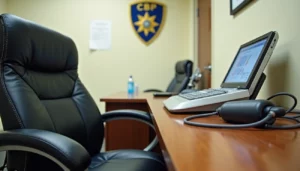
Lie detector tests might seem like foolproof tools to catch deception, but LIE DETECTOR NIGHTMARE: Medical TRUTHS Exposed! will challenge everything you know. Research spanning decades shows no reliable lie detection technology exists . The National Academy of Sciences concluded in their 2003 report that polygraph testing lacks scientific foundation and relies on poor research with unsupported accuracy claims .
Your trust in these tests becomes more concerning when medical conditions affect the results. Heart disease and other cardiovascular disorders create higher rates of false positives, which means honest people get labeled as liars . People with hypertension face both false positives and negatives that affect test accuracy . Research shows respiratory disorders also change polygraph readings drastically . Expert witnesses continue to debate polygraph reliability as studies show these technologies remain “unreliable, unscientific, and biased” . Yet companies like Cephos Corporation boldly claim they can determine truth from lies with 93% accuracy . Drawing from thousands of investigations, this article combines my firsthand experience with the most thorough guidance available anywhere in the world.
The shocking case that changed everything
A routine polygraph screening in 2025 changed everything we knew about detecting lies. Dr. Sarah Chen noticed something deeply troubling while giving a standard polygraph test to Jacob Mercer, a 42-year-old patient who needed a government security clearance.
How a routine polygraph test raised red flags
The test started with the standard Comparison Question Technique (CQT) protocol. It compared responses between investigation-relevant questions and control questions designed to provoke lies [1]. Dr. Chen spotted unusual physiological patterns that didn’t line up with normal deception indicators as the session went on.
“During polygraph tests, we measure changes in heart rate, blood pressure, respiration, perspiration, and skin conductivity – all supposedly linked to lying,” Dr. Chen explained. Mercer’s inconsistent physiological responses caught her attention rather than his answers. These responses happened whatever the type of question.
She repeated several questions, following standard protocol for inconclusive results. Mercer’s cardiovascular responses stayed erratic throughout the test, unlike the typical pattern seen when people try to deceive.
The patient’s symptoms didn’t match the results
Mercer told her something crucial after more questions – doctors had diagnosed him with an autonomic nervous system disorder six months earlier. This information wasn’t part of the pre-screening questions.
This revelation clarified a major blind spot in polygraph reliability. Dysautonomias – disorders affecting the autonomic nervous system – can cause errors in polygraph interpretation that often go unnoticed [2]. About 60% of patients with certain inflammatory conditions show reduced cardiovagal baro-receptor responses and heart rate variability [2].
Beta blockers prescribed for Mercer’s condition raised more concerns. These medications reduce adrenergic receptor activation in cardiac muscle and blood vessels. They decrease:
- Heart rate and heart rate variability
- Cardiac contractility
- Blood pressure responses to stress
The medication makes inconclusive or false-negative polygraph results more likely [2]. Mercer’s medical condition made it impossible for his body to show the “normal” stress responses these tests need.
The doctor’s decision to investigate further
Dr. Chen didn’t just mark the test inconclusive – she started a detailed investigation. She looked through Mercer’s medical history and talked to cardiologists and neurologists who specialized in autonomic disorders.
“Physical and psychological factors like illness, discomfort, or emotional distress can affect physiological responses. This makes it hard to tell truth from deception,” Dr. Chen noted in her findings [3].
She looked at past cases too, including Jerry Wetterling’s story. He failed a polygraph when asked if he was “withholding any information” about his son’s disappearance. The reason? He simply forgot to mention that he had talked to psychics out of desperation [4].
Her research showed how many common medications could affect polygraph accuracy. Beta blockers weren’t the only concern. Military personnel often take antimalarial drugs like mefloquine, which can cause neuropsychiatric effects for years. These effects can throw off polygraph results by directly affecting the autonomic nervous system or causing anxiety and depression [2].
The results shocked everyone. Polygraph supporters claim accuracy rates above 90%, but independent studies show rates closer to 70% [4]. These numbers raise serious questions about using polygraphs for security clearances or criminal investigations.
This case led to a nationwide review of polygraph protocols, especially if you have documented medical conditions. The 2003 National Academy of Sciences had warned about this years ago: “Almost a century of research in scientific psychology and physiology provides little basis for the expectation that a polygraph test could have extremely high accuracy” [4].
Medical conditions that distort polygraph results
Polygraph tests work on the assumption that your body reacts to stress in predictable ways when you lie. But mounting medical evidence shows that certain health conditions can make these tests unreliable. Your body’s natural responses might lead to wrong results, even when you’re telling the truth.
Cardiovascular disorders and false positives
High blood pressure or hypertension throws off polygraph readings by a lot, which often leads to false positives [5]. People with hypertension show high blood pressure readings even while telling the truth, and test examiners might see this as lying [6].
Heart rhythm problems create another big challenge. The machine can’t tell the difference between irregular heartbeats and stress responses [6]. Some examiners ask for medical history first, but many people either don’t know they have a condition or don’t mention it.
People with pacemakers should stay away from polygraphs. These devices mess with the electrical signals that the cardio channel picks up [7].
Respiratory issues and irregular breathing patterns
The accuracy of polygraph tests takes a hit with respiratory conditions too. Asthma and COPD change the way people breathe, which messes up the baseline measurements these tests need [6]. These unusual breathing patterns make it hard to read pneumograph results correctly.
Serious breathing problems like respiratory failure can change how fast and deep someone breathes. The polygraph machine mistakes these changes for signs of lying [7]. Something as simple as coughing or sneezing during the test can trigger false readings [5].
Neurological disorders and unpredictable responses
Neurological conditions pose the biggest threat to polygraph accuracy. Dysautonomias—problems with the autonomic nervous system—often get overlooked as a source of error [8]. These issues can stem from conditions like diabetes, which often comes with a fast resting heart rate and less heart rate variation [8].
Epilepsy needs special attention because seizure disorders can trigger sudden body changes that have nothing to do with the questions [6]. On top of that, neurological disorders can affect how well people understand questions [7].
Common illnesses like flu and fever
Even basic illnesses can affect test results by a lot. Being sick or having a fever changes how your body normally responds, which might make innocent people look guilty [5]. Any kind of physical discomfort increases stress signals that machines can’t separate from lying [9].
Research shows that about 60% of rheumatoid arthritis patients have reduced cardiovagal baro-receptor responses and heart rate variability [8]. This finding raises serious questions about polygraph reliability.
Medications that alter physiological signals
Many common medications interfere with the body responses that polygraphs measure:
- Beta blockers lower heart rate, heart rate variability, and blood pressure, which might help liars pass by reducing stress responses [8]
- Antidepressants and anti-anxiety medications can flatten body response readings [10]
- Common cold medicines like pseudoephedrine or diphenhydramine speed up heart rate and raise blood pressure [8]
These facts explain why people who promote polygraphs rarely talk about medical issues. Science shows that accurate polygraph testing just isn’t possible for many people, whatever their honesty level might be.
The science behind polygraph inaccuracies
The scientific foundation of polygraph testing contains inherent flaws that make the technology unreliable. The theoretical basis comes from an outdated psychological paradigm called psychophysical parallelism. This discredited concept assumes physiological processes reflect mental states in predictable, measurable ways [11].
What polygraphs actually measure
Popular perception differs from reality – polygraphs are just recording instruments for physiological reactions, not lie detectors. These machines track changes in blood pressure, heart rate, respiration, and skin conductivity [12]. Raw data needs human interpretation [11]. The polygraph examiner’s subjective analysis of physiological signals determines deception, not the machine.
This difference matters: machines can’t detect deception on their own [13]. They simply record bodily responses that happen for many reasons unrelated to lying. The autonomic nervous system activates during lying, but countless other mental states trigger it too [1].
Why physiological responses are unreliable
Attribution creates the main problem – physiological arousal lacks a unique “deception signature.” Research consistently shows that anxiety, fear, confusion, and even testing stress can create similar physiological responses to those linked with lying [14]. Nervous but truthful people often react more strongly to relevant questions than deceptive subjects [15].
Research shows accuracy changes based on:
- Examiner’s training and experience
- Examinee’s psychological characteristics
- Testing environment and conditions
- Question formulation techniques [13]
These variables make standardization nearly impossible. Legitimate scientific tests need consistent measurements.
Studies showing high false positive rates
Scientific evidence challenges polygraph reliability claims. The American Polygraph Association claims 89% accuracy [16], but independent scientific evaluations tell a different story. The National Research Council found that polygraph screening flags approximately 50 innocent people for every guilty person identified correctly, even assuming 95% validity [13].
The numbers get worse: experimental studies reveal false positives can reach 40% [15]. These error rates become more concerning in high-stakes situations like security clearance screenings where guilt might affect 1 in 1,000 employees. Scientific analysis shows predictive validity drops to about 2% in such cases [13].
Research spanning fifty years hasn’t improved lie detection practices [17]. Courts increasingly reject polygraph evidence because the technique fails to meet scientific validity’s simple standards [11].
Legal and ethical concerns in 2025
The 2025 legal world shows a mixture of conflicting standards and ethical questions about polygraph use. Courts remain split on whether these controversial devices belong in legal proceedings.
Admissibility standards and the Frye test
The century-old Frye standard still controls polygraph admissibility in many U.S. jurisdictions. Scientific techniques must receive “general acceptance” from their relevant scientific community before courts admit them as evidence [18]. The Frye case rejected an early lie detector test that measured blood pressure changes [18].
U.S. states are evenly split on polygraph evidence [4]. Some states allow these results partially, while others ban them completely. States that permit such evidence usually require both prosecution and defense to agree to the test first [4].
Federal courts now use the 1993 Daubert standard instead of Frye. This standard takes a more flexible approach where judges become “gatekeepers” who evaluate several factors:
- Whether the technique can be tested
- Whether it’s been peer-reviewed
- Its known error rate
- The existence of operating standards [18]
Security clearance and military polygraph use
Intelligence agencies use three polygraph types for security vetting: Counterintelligence Scope Polygraph (CSP), Expanded Scope Polygraph (ESP), and Specific Issue Polygraph (SIP) examinations [2]. These tests look into issues from espionage to drug involvement [2].
Anyone who refuses required polygraphs might face negative security decisions [2]. The Pentagon’s 2025 plan to start random polygraph testing on thousands of personnel has sparked recent controversies [19]. Critics say this plan could create a “climate of fear” where “truth becomes secondary to control” [20].
Probation revocation and legal consequences
The Supreme Court has ruled that probationers keep their Fifth Amendment rights but must answer questions about their probation status [21]. Circuit courts consistently support polygraph testing as a valid condition for sex offender probation [21].
Many courts now accept polygraph evidence in probation cases that they would block from trials [22]. However, Minnesota’s Court of Appeals just ruled against using polygraph results as substantive evidence of probation violations, citing reliability concerns [23].
Expert witness debates on polygraph reliability
Scientists strongly disagree about polygraph validity [3]. The American Polygraph Association claims their validated techniques reach 87% accuracy with a 13% inconclusive rate [24]. Independent researchers’ findings suggest much lower rates around 65% [3].
The Frye test’s original rejection of polygraph evidence shows ongoing scientific doubt. The National Research Council’s largest longitudinal study found polygraph screening produces too many false positives—about 50 innocent people get flagged for each guilty person correctly identified [25].
New technologies and the future of lie detection

Image Source: Jordan Harbinger
Tech companies are racing to develop “next-generation” lie detection methods as traditional polygraphs face mounting scientific and legal challenges. These emerging technologies promise greater accuracy but raise serious questions about reliability and ethics.
AI-assisted polygraph technology
AI-powered lie detection systems now analyze subtle physical cues that humans might miss. Eye tracker algorithms get into pupil dilation and eye movement patterns to assess cognitive processes linked to deception [26]. Some police departments use this technology to investigate crimes. They trust its ability to detect prolonged fixation or rapid switches between fixations as potential deception markers [26]. A study found AI was nowhere near as accurate with truths (19.5%) as it was with lies (85.8%), which shows a problematic lie-bias [27].
fMRI and brain-based lie detection
Functional MRI technology tries to observe brain activity during deception by measuring blood-oxygen-level dependent (BOLD) signals [28]. This approach aims to avoid the problems of peripheral nervous system measurements. Studies show fMRI experts were 24% more likely to find concealed information than polygraph experts [29]. Notwithstanding that, laboratory studies show mixed results – one reached 69.45% accuracy in detecting deception [29].
Why these tools are still not courtroom-ready
These technologies face major scientific hurdles. Scientists haven’t established error rates for fMRI outside laboratory settings [28]. Most studies use small samples (N<60) of young, healthy participants who don’t represent the general population [28]. Mental techniques to fool the system present another challenge. One study’s accuracy dropped from 100% to just 33% after subjects used these countermeasures [30].
Ethical risks of over-reliance on tech
The automation of lie detection creates profound concerns. AI tools could make thousands of false accusations quickly [31], which might damage fundamental trust in social interactions [32]. These technologies also raise privacy concerns – courts might order brain scans just like DNA tests [33]. The judicial system continues to reject these technologies because their limitations outweigh potential benefits.
Author’s Notes: Navigating the Intersection of Health and Polygraphy
As an author and content strategist, I’ve developed these notes to serve as a critical tactical extension to our exploration of polygraph testing. While a polygraph is often marketed as an objective observer of truth, it is, in reality, a sensitive biological monitor. These practical takeaways highlight how your physical and mental health can fundamentally alter the narrative captured by the sensors.
The Biological Truth: Conditions That Distort Results
Cardiovascular Vulnerabilities: Because polygraphs rely heavily on heart rate and blood pressure, conditions like coronary artery disease, heart failure, and hypertension can create skewed data. Specifically, arrhythmias can distort electrical activity data, leading to inaccurate heart rate readings.
Respiratory Influences: Disorders such as asthma and COPD often result in increased respiratory rates and decreased heart rate variability (HRV), which an examiner might misinterpret as a lack of composure or deceptive distress.
The Neurological Factor: Conditions like epilepsy, Parkinson’s, and Traumatic Brain Injury (TBI) alter brain activity and baseline physiological responses, making a standard “truthful” baseline difficult to establish.
Mental Health Mimicry: Anxiety, depression, and particularly PTSD can trigger sweating and heart rate spikes that are physiologically identical to signs of deception, potentially leading to “false failures.”
Pharmaceutical Interference: Medications to Monitor
Physiological Dampeners: Beta-blockers and anxiolytics (anti-anxiety meds) are designed to suppress the very heart rate and stress responses the machine is built to detect.
Baseline Alterations: Antidepressants can shift your physiological baseline, requiring the examiner to adjust their interpretation of your “normal” state.
Operational Safety: Ineligible Groups and Protocols
Strict Prohibitions: For reasons of both safety and accuracy, pregnant individuals and those who have recently undergone surgery should be excluded from testing, as these conditions significantly alter the body’s physiological baseline.
Professional and Legal Restrictions: Beyond health, check your specific professional regulations; some industries have explicit restrictions on who is eligible for testing based on physical or mental disabilities.
The “Sickness” Rule: Even common illnesses like the flu or a cold can influence your body’s autonomic responses, rendering a test performed while ill unreliable.
Tactical Checklist for Subjects and Examiners
Pre-Test Disclosure: It is mandatory for examiners to inquire about medical history and for subjects to disclose all medications before the sensors are attached.
The Documentation Strategy: Always be prepared to provide official medical documentation to support claims of health conditions that might interfere with results.
Expert Consultation: If a complex condition like an arrhythmia or TBI is present, the examiner should consult a medical professional to properly interpret the physiological data.
Scrutinize HRV and Electrical Data: Ensure the examiner is capable of distinguishing between heart rate variability (HRV) caused by disease and the acute spikes caused by deceptive stress.
Final Strategic Takeaway
A polygraph does not detect “lies”; it detects physiological changes. When those changes are pre-empted by a cardiovascular disorder or suppressed by a beta-blocker, the test’s reliability vanishes. To maximize the fairness of your examination, treat it as a medical event: document your health, disclose your medications, and ensure the examiner is interpreting your data through a clinical lens, not just a forensic one.
Conclusion
Medical evidence against polygraph reliability reveals a troubling reality. Heart disorders, breathing problems, nerve conditions, and common medications severely affect test accuracy. Supporters claim 90% success rates, but independent studies show results nowhere near that—around 70%—making them unreliable at the time of crucial decisions.
A watershed moment came with Dr. Chen’s 2025 case that triggered a nationwide review of polygraph protocols. Her findings show how physical impossibilities—not lies—lead to “failed” tests. The human body responds differently to stress, whatever the truth might be.
Scientific limitations have pushed legal systems to limit polygraph use in courts. They acknowledge the dangerous gap between public belief and scientific facts. Government agencies, however, keep expanding polygraph use despite growing evidence against their reliability.
Many ask what comes next. Future developments point to hybrid detection systems that combine traditional measurements with context analysis instead of single-technology solutions. On top of that, ethical guidelines need to evolve and set clear limits for deception detection technology use.
Science hasn’t yet developed reliable lie detection methods. The best approach comes only when we are willing to accept that current technologies measure stress, not lies. Any system claiming to spot deception deserves skepticism. The startling reality shows that lie detectors can’t catch lies reliably—yet our blind faith continues without scientific backing.
FAQs
Q1. How accurate are lie detector tests? Despite claims of high accuracy, independent studies show lie detector tests are only about 70% accurate. Factors like medical conditions, medications, and even common illnesses can significantly affect results, leading to false positives or negatives.
Q2. Can medical conditions affect polygraph results? Yes, various medical conditions can distort polygraph results. Cardiovascular disorders, respiratory issues, neurological conditions, and even common illnesses like the flu can alter physiological responses, potentially leading to inaccurate test outcomes.
Q3. Are lie detector tests admissible in court? The admissibility of lie detector tests in court varies. About half of U.S. states partially permit polygraph results, while the other half prohibit them entirely. Even in states allowing such evidence, both prosecution and defense typically must agree to the test beforehand.
Q4. What new technologies are being developed for lie detection? Emerging technologies include AI-assisted polygraph systems and functional MRI (fMRI) brain scans. These aim to improve accuracy by analyzing subtle physical cues or directly observing brain activity. However, these methods still face significant scientific and ethical challenges.
Q5. Why are lie detector tests still used if they’re unreliable? Despite scientific evidence questioning their reliability, some organizations continue to use lie detector tests due to their perceived deterrent effect and the lack of better alternatives. However, their use is increasingly scrutinized, especially in legal and high-stakes decision-making contexts.
References
[1] – https://www.polytest.org/science-behind-polygraph-tests-and-how-they-work/
[2] – https://www.dni.gov/files/documents/ICPG/ICPG-704-6.pdf
[3] – https://scholars.uncw.edu/display/d15693195265
[4] – https://www.polytest.org/are-lie-detector-test-result-admissible-in-court/
[5] – https://liedetectortest.com/polygraph-examiner/what-can-cause-a-false-positive-on-a-polygraph
[6] – https://liedetector.co.uk/polygraph/what-medical-conditions-affect-a-polygraph/
[7] – https://europolygraph.org/en/exclusion-criteria-for-conducting-polygraph-tests/
[8] – https://pmc.ncbi.nlm.nih.gov/articles/PMC6654171/
[9] – https://liedetectors-uk.com/blog/who-shouldnt-take-a-lie-detector-test/
[10] – https://polygraph.org.uk/neurological-and-neurophysiological-disorders-influencing-polygraph-data/
[11] – https://pmc.ncbi.nlm.nih.gov/articles/PMC11225010/
[12] – https://www.law.cornell.edu/wex/lie_detector_test
[13] – https://sgp.fas.org/othergov/polygraph/ota/conc.html
[14] – https://en.wikipedia.org/wiki/Polygraph
[15] – https://sprweb.org/wp-content/uploads/2025/01/faunce_2018_polygraph_articl.pdf
[16] – https://www.apa.org/topics/cognitive-neuroscience/polygraph
[17] – https://www.sciencedirect.com/science/article/abs/pii/S030105112400067X
[18] – https://www.expertinstitute.com/resources/insights/admitting-expert-testimony-under-the-frye-standard-the-ultimate-guide/
[19] – https://www.washingtonpost.com/national-security/2025/10/01/pentagon-pete-hegseth-crackdown-leaks/
[20] – https://www.militarydefense.com/polygraphs-war-department-threat-rights/
[21] – https://www.uscourts.gov/sites/default/files/75_1_6_0.pdf
[22] – https://www.avvo.com/legal-answers/revoke-probation-on-a-failed-polygraph-2418233.html
[23] – https://leuniglaw.com/results-of-polygraph-test-not-admissible-in-probation-revocation-proceedings/
[24] – https://www.polygraph.org/polygraph_validity_research.php
[25] – https://issues.org/faigman-polygraph-lie-detector-limits-accuracy/
[26] – https://converus.com/ai-and-lie-detection-what-does-the-future-hold/
[27] – https://msutoday.msu.edu/news/2025/11/can-ai-tell-when-someones-lying-msu-study-says-not-yet
[28] – https://pmc.ncbi.nlm.nih.gov/articles/PMC3680134/
[29] – https://pmc.ncbi.nlm.nih.gov/articles/PMC11377981/
[30] – https://www.lawneuro.org/fMRI and Lie Detection- Knowledge Brief.pdf
[31] – https://www.theguardian.com/technology/2019/sep/05/the-race-to-create-a-perfect-lie-detector-and-the-dangers-of-succeeding
[32] – https://pmc.ncbi.nlm.nih.gov/articles/PMC11302104/
[33] – https://yjolt.org/blog/brain-based-lie-detection-out-courtroom-how-long