Research shows 75% of people feel intense anxiety during polygraph test preparation, which can affect their results even when they’re honest.
Proper polygraph test preparation is vital whether you face a pre-employment screening, security clearance evaluation, or law enforcement interview. Many believe polygraphs “detect lies,” but these devices actually measure specific body responses like blood pressure, pulse, respiration, and skin conductivity that might indicate deception.
Your confidence and performance can improve substantially once you understand what a polygraph measures. To name just one example, most test-takers don’t realize that examiners first establish their personal response baseline rather than comparing results to universal standards. The process becomes clearer when you know its three phases: a pre-test interview, the actual examination, and a post-test discussion.
This piece covers everything you need to know about lie detector tests and police polygraph preparation. You’ll learn the complete process from scheduling your appointment online to managing test-day anxiety. Our expert techniques will help both newcomers and experienced test-takers navigate their polygraph examination successfully. This article reflects thousands of cases and decades of field experience, providing the most up-to-date and thorough guidance available globally.
Step 1: Understand What a Polygraph Test Really Measures

Image Source: Premier Polygraph Services
Getting ready for a polygraph test? Understanding the science behind it is vital. Many people have misconceptions about these tests based on what they see in movies and TV shows. The reality is quite different.
What does a polygraph measure?
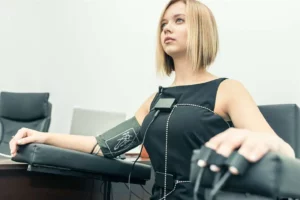
A polygraph isn’t really a “lie detector” – it’s an instrument that measures several physiological indicators at once [1]. The test tracks:
- Cardiovascular activity – A blood pressure cuff monitors changes in blood pressure and heart rate
- Respiratory patterns – Pneumograph tubes around your chest and abdomen record your breathing rate and depth
- Electrodermal activity – Finger electrodes measure changes in skin conductivity (also called galvanic skin response)
These measurements paint a complete picture of how your autonomic nervous system responds to questions [2]. The polygraph picks up your body’s automatic “fight-or-flight” reactions that happen during stressful situations [2].
Technology has changed things dramatically. Modern polygraph machines now make use of computer systems that make test administration standard and analyze data more consistently than ever before [3].
How physiological responses are interpreted
The examiner starts by asking neutral questions to establish your normal physiological state [4]. Your responses to important questions are then compared to this baseline to spot major changes [4].
The basic idea behind polygraph interpretation suggests that people’s bodies react differently when they lie compared to when they tell the truth [1]. It’s worth mentioning that no specific physical reactions are tied exclusively to lying [1].
So examiners look at patterns across multiple physical responses. To name just one example, a person who isn’t telling the truth often shows increased heart rate and blood pressure, while their breathing actually slows down [2]. This happens because the body prepares for fight-or-flight by sending more oxygen to the lungs, but since you’re sitting still, your breathing rate drops [2].
The results come from numerical scores based on your reactions to each question [5]. These scores show probabilities of deception based on research rather than absolute yes-or-no answers [5].
Common myths vs. actual science
Maybe even the biggest myth out there is that polygraphs can spot lies directly. The truth is they measure physical stress responses that may or may not mean someone is lying [6]. The test can’t separate anxiety from dishonesty from other types of stress [1].
People often think polygraphs never make mistakes. The National Academy of Sciences found that evidence supporting polygraph accuracy is “scanty and scientifically weak” [1]. The American Polygraph Association claims 85-95% accuracy [7], but independent researchers see things differently. The National Research Council found that specific-incident polygraph tests work “well above chance, but nowhere near perfect” [1]. The American Psychological Association states there’s “little evidence that polygraph tests can accurately detect lies” [8].
There’s another reason to be skeptical – people can potentially beat these tests using countermeasures [1]. In spite of that, knowing what the test actually measures helps you prepare the right way instead of trying tricks that experienced examiners can spot [6].
The best way to prepare for your polygraph test is to see it as a tool that measures stress – not some magic device that reads minds or spots lies [6]. This scientific understanding lets you face the test with realistic expectations and less anxiety.
Step 2: Choose and Book Your Polygraph Test Online

Image Source: liedetectortest.com
The science behind polygraph testing is fascinating. Your next big step is finding a qualified examiner and getting your test scheduled. These days, booking a polygraph test online is simple and gives you plenty of flexibility.
How to get a lie detector test
You’ll need to choose between private examiners or testing agencies. Start by looking up reliable providers near you or those who let you book online. Many services now give you the option to book everything online without making a single phone call [9].
The first thing you need is clarity about why you need the test. This could be job screening, personal reasons, or legal matters. Your reason will help pick the right examiner and test format. Professional associations and online directories are great places to start your search [1].
A to Z guide to scheduling a polygraph test online
Here’s how the online scheduling works:
- Pick a testing location that works for you [10]
1.Sign up through the provider’s website or 24-hour registration line
2.Fill out intake forms with your details and test purpose
3.Get your appointment confirmation with examiner details
4.Talk about your specific needs with your assigned examiner [9]
Most booking platforms show you a calendar where you can pick exact dates and times. You can choose your test type and pay securely to lock in your spot [9]. The whole process takes about 10-15 minutes [9].
What to look for in a certified examiner
Your examiner’s skills make a huge difference in test accuracy. Look for someone who has:
- Active membership in groups like the American Polygraph Association (APA) or American Association of Police Polygraphists [9]
- Background in forensic science, psychology, or investigation [9]
- Solid experience (at least 5 years and 100+ tests) [11]
- Current state license where needed [9]
- Advanced training certificates [9]
- Up-to-date equipment and testing methods [12]
Stay away from unlicensed examiners or those who promise accuracy rates above the scientifically established range of 80-98% [12].
Online polygraph scheduling platforms
You’ll find several reliable platforms for booking polygraph tests online. Many professional examiners have their own scheduling systems with calendars and payment options built right into their websites [9]. Some agencies use specialized booking software like Timetrade [13].
Before you lock in your appointment, check that you get all the important details. This includes the test location, how long it will take (usually 1½-3 hours), and what you need to do beforehand [1]. Many services will send you consent forms and questionnaires to complete ahead of time [14].
Read the terms carefully. Pay special attention to cancelation policies since most providers need advance notice to avoid extra charges [9].
Step 3: Gather the Right Information and Documents
Getting your paperwork ready for a polygraph test is just as significant as knowing how the test works. After scheduling your appointment, you should gather all documents to make your testing process smooth.
Polygraph test documentation needed
Each polygraph test needs specific documents to verify who you are and set legal boundaries. You must bring:
- A valid government-issued photo ID (driver’s license, passport, or state ID) that proves your identity [15]
- Any documents your examiner asks for about the incident they need to break down
- Employment records if the test connects to workplace events
- Medical records that could affect your test results
Your examiner will record the ID verification as part of your test file. They note what type of ID you showed and how they verified it [16]. Security positions, especially in law enforcement, might need multiple forms of identification to double-check everything [16].
Personal and background details to prepare
You should put together relevant background information before your test date:
Look through any questionnaires your examiner sent during the pre-test phase. Law enforcement polygraphs usually need a lot of personal history [4]. Tests can’t start until you understand everything about what they need to get into [17].
You should also have complete details about the specific incident they’re looking at. Your examiner needs enough background to create clear, direct questions [17].
Medical information that might affect your body’s responses should be ready too. This means details about your medications, sleep problems, or heart issues that could change your test results.
Consent forms and legal disclosures
Every polygraph test requires your explicit consent through formal agreements. These forms have:
1.Examination consent form – Shows you’re taking the test by choice without pressure [18]
2.Results disclosure authorization – Lists who can see your test results [3]
3.Recording consent – Many places need your permission to record audio/video during the test [19]
The Employee Polygraph Protection Act (EPPA) requires specific legal disclosures. For workplace investigations, you need written notice 48 hours before testing. This notice shows what incident they’re looking at and why you’re being tested [20].
The EPPA makes employers give you detailed statements about your rights. You can stop the test anytime, there are topics they can’t ask about, and you can file complaints if rules are broken [20]. Companies must keep these documents for at least three years after your test [20].
Getting these documents ready ahead of time shows you’re professional and helps speed up the paperwork part of your polygraph test.
Step 4: Prepare Mentally and Physically for the Test

Image Source: Life Beyond Numbers
A successful polygraph test depends on proper mental and physical preparation. Your physiological state affects test accuracy. The days before your test are vital to get reliable results.
How to prepare for a police polygraph test
Police polygraph tests need extra careful preparation. You should stick to your normal daily routine before the test. Of course, police agencies expect you to follow proper protocols. This includes taking prescribed medications as your doctor directs [21]. Your health matters most—missing medications can change your baseline responses and might flag false results. You should arrive well-rested and fed. These factors affect your autonomic nervous system responses during the test by a lot [4].
Sleep, diet, and medication considerations
Sleep quality plays a huge role in test outcomes. Studies show that sleep-deprived people give such inaccurate results that the tests become useless [5]. You should get 7-8 hours of sleep the night before your test to keep your mind sharp. Good hydration is just as important. Research shows that hydration affects sympathetic nervous system responses [22].
You should eat a balanced meal 2-3 hours before the test. An empty stomach can trigger physical symptoms like sweating and rapid heartbeat [22]. You should stay away from sugary foods, too much caffeine, and spicy meals on test day. These can disrupt how your autonomic nervous system works [23].
Avoiding countermeasures and anxiety triggers
Countermeasures—ways to manipulate test outcomes—come in four types: general state, specific point, information, and spontaneous [24]. Using these tactics usually leads to immediate failure when caught. Experienced examiners can spot common countermeasures like controlled breathing or muscle tensing [24]. Honesty works best.
Online polygraph preparation tips
Rather than trying countermeasures, focus on managing your anxiety properly. The 4-7-8 breathing technique helps activate your natural calming system. Just breathe in for 4 counts, hold for 7, and exhale for 8 [25]. You can find guided meditation videos on YouTube about 30 minutes before your test [7]. These 10-minute exercises calm your parasympathetic nervous system naturally without raising any red flags [7].
Step 5: Know What to Expect on Test Day

Image Source: Freepik
The polygraph test follows a predictable sequence when you arrive. This process has three main phases. Each phase helps determine if someone tells the truth.
Polygraph test procedure explained
The test uses a standard protocol with three parts: pre-test interview, chart collection, and post-test analysis [6]. Your body’s signals create the basis for analysis during the chart collection phase. Sensors track your heart activity, breathing patterns, and skin responses [3].
Pre-test interview and baseline setup
The pre-test interview takes 60-90 minutes [26]. This phase creates the right mental and physical conditions before testing begins. You’ll review your background information and learn about sensor functions. The examiner will also discuss test questions with you [27]. The acquaintance test plays a key role – you give one false answer among true ones to set your body’s baseline responses [28].
How questions are structured and scored
The test uses three question types: relevant questions about the investigation, control questions for baseline responses, and irrelevant ones that let your body rest [29]. Examiners score responses from +3 to -3 by comparing your reactions to relevant and control questions [30]. They look at heart, breathing, and skin response channels separately before adding up total scores.
How long the test takes and what happens after
The whole test runs between 1.5-3.5 hours [8]. The actual recording time takes just 30-60 minutes [26]. Your examiner will study the data afterward. They explain their findings and talk about any strong physical responses you expressed during the test [6].
Author’s Notes: Mastering the Online Booking & Exam Experience
As the author of this guide, I want to provide you with a strategic perspective on the digital evolution of polygraph services. Online scheduling and virtual examinations offer unprecedented flexibility, but they also require a higher level of personal diligence. These notes are designed to help you navigate the logistical nuances and maintain full control over your testing experience.
The Professional Vetting Standard
Verify Professional Standing: Always use tools provided by the American Polygraph Association (APA) to confirm an examiner’s membership and adherence to industry ethics.
Target Specialized Expertise: Prioritize examiners with advanced credentials, such as a Certificate of Advanced Polygraph Training, or academic backgrounds in forensic science, psychology, and investigation.
Reputation Check: Ensure your chosen professional has a documented, established reputation for conducting both online and offline examinations.
Transparency is Key: A credible provider will offer a professional online presence and clear, upfront pricing with no hidden administrative costs.
Streamlining the Digital Booking ProcessTimeline Planning:
While some examiners accommodate bookings within a few days, I recommend scheduling 2–3 weeks in advance to secure your preferred slot.
Preparation for “The First Try”: The booking process typically takes only 10–15 minutes if you have your legal ID, contact info, payment method (credit card, PayPal, or e-Transfer), and relevant background details ready.
Digital Consent & Privacy: Expect to electronically sign liability waivers and informed consent forms; if you ever feel your data is handled unethically, remember that you have enforceable rights under privacy policies and applicable laws.
Eligibility Screening: Be prepared to disclose medical conditions or medications upfront, as these are critical factors that determine your eligibility for an accurate test.
Navigating Logistics and Virtual Protocols
Duration Expectations: Block out 1 to 3 hours for the full appointment to ensure you aren’t rushed through the pre-test interview or the exam itself.
Verification Security: For virtual sessions, you must be prepared to show your government-issued ID to the camera for identity verification and confirm that the proctoring protocols are legitimate.
Pre-Test Discipline: Strictly follow all instructions regarding fasting, rest, and the avoidance of nicotine, alcohol, or specific medications.
Documentation Access: Keep any required physical documents—such as medical records, employee handbooks, or investigation details—accessible and organized offline
Exam Execution and Follow-Up Strategy
The “Stimulation” Baseline: Understand that the examiner will run a preliminary stimulation test specifically to set your physiological measurement baseline.
Answering Protocol: Maintain clarity and brevity by providing only “yes” or “no” responses as instructed by the examiner.
Advocating for Your Rights: You have the right to voluntary participation and the authority to end the session early if necessary.
Post-Test Support: If results are complex, you have the practical right to request an interpreter for better understanding or a second opinion/re-test if results are inconclusive.
Final Takeaway
The shift to online booking is an empowering milestone that saves time and allows you to take your test in a familiar, private environment. By choosing a qualified examiner and staying assertive regarding your rights and preparation, you ensure the truth remains the focal point of the process.
Conclusion
Knowledge and preparation will substantially improve your chances of a smooth polygraph test experience. This piece explores the science behind polygraph testing. We’ve busted common myths and given you practical steps to get really prepared. You now know that polygraphs measure body responses rather than detect lies directly.
Good preparation is crucial to successful test outcomes. You need to gather documents, schedule online with certified examiners, and stick to your regular medication routine for reliable results. The accuracy of measurements depends on your mental and physical readiness. That’s why you need proper sleep, hydration, and balanced nutrition as part of your strategy.
On top of that, it helps to use legitimate anxiety management techniques like controlled breathing exercises. These help set an optimal body baseline without making examiners suspicious. Expert consensus shows that honesty plus preparedness works best. Don’t try countermeasures – experienced examiners spot them easily.
Note that examiners first set your personal baseline instead of comparing you to general standards. Your unique body responses are the foundations for analysis. This knowledge helps take the mystery out of the exam and cuts down unnecessary worry.
The polygraph is complex and has its limits. Still, it works as a valuable investigative tool when used correctly. Understanding the three phases – pre-test interview, chart collection, and post-test analysis – gives you the right expectations for exam day.
You’ll present your most authentic self by facing your polygraph test with confidence, honesty, and solid preparation. This integrated approach helps ensure accurate results and brings peace of mind during what many call a stressful experience.
Key Takeaways
Master your polygraph test by understanding the science, preparing properly, and approaching with confidence. These essential insights will help you navigate the examination process successfully.
• Polygraphs measure physiological responses (heart rate, breathing, skin conductivity) rather than directly detecting lies—understanding this reduces anxiety and sets realistic expectations.
• Proper preparation includes 7-8 hours of sleep, balanced nutrition, staying hydrated, and maintaining your regular medication schedule for accurate baseline readings.
• Choose certified examiners with APA membership, 5+ years experience, and modern equipment—avoid unlicensed providers making unrealistic accuracy claims.
• Bring valid government-issued photo ID and complete all consent forms thoroughly—proper documentation ensures a smooth testing process.
• Focus on legitimate anxiety management like 4-7-8 breathing techniques instead of countermeasures, which experienced examiners can easily detect.
The entire examination typically takes 1.5-3.5 hours across three phases: pre-test interview, actual testing, and post-test analysis. Remember that examiners establish your personal physiological baseline first, making honesty combined with proper preparation your best strategy for reliable results.
FAQs
Q1. How can I best prepare for a polygraph test? Get 7-8 hours of sleep, maintain a balanced diet, stay hydrated, and continue your regular medication schedule. Avoid excessive caffeine or sugary foods on the day of the test. Practice relaxation techniques like deep breathing to manage anxiety.
Q2. What should I avoid before taking a polygraph test? Avoid altering your normal routine drastically. Don’t skip prescribed medications, consume excessive alcohol, or try countermeasures to manipulate results. Also, refrain from discussing test details with others, as this may increase anxiety.
Q3. How long does a typical polygraph examination take? A complete polygraph examination usually lasts between 1.5 to 3.5 hours. This includes the pre-test interview, the actual test (which takes about 30-60 minutes), and the post-test analysis.
Q4. What kind of questions can I expect during a polygraph test? Polygraph tests typically include three types of questions: relevant questions directly related to the investigation, control questions to establish baseline responses, and irrelevant questions that provide physiological rest periods.
Q5. How accurate are polygraph tests? While the American Polygraph Association claims 85-95% accuracy, independent scientific bodies have found varying results. Polygraphs measure physiological responses that may indicate deception, but they cannot directly detect lies. Accuracy depends on various factors, including the examiner’s skill and the test subject’s condition.
References
[1] – https://www.polytest.org/
[2] – https://www.psychologytoday.com/us/blog/let-their-words-do-the-talking/202209/the-science-behind-the-polygraph-machine
[3] – https://www.polygraph.org/polygraph_frequently_asked_que.php
[4] – https://careers.cbp.gov/s/applicant-resources/polygraph
[5] – https://www.polygraph.pl/vol/2021-2/european-polygraph-2021-no2-mickos.pdf
[6] – https://liedetectortest.com/polygraph/polygraph-testing-procedure-a-four-phase-breakdown
[7] – https://liedetectortest.com/polygraph/should-i-be-nervous-about-my-polygraph-test
[8] – https://www.invsolutionsllc.net/polygraph-examinations/
[9] – https://axeligence.com/a-to-z-guide-to-scheduling-a-polygraph-test-online/
[10] – https://www.polytest.org/global-polygraph-network/lie-detector-test-locations-prices/
[11] – https://www.polytest.org/how-to-find-a-trustworthy-polygraph-examiner/
[12] – https://morganpolygraph.com/index.php/2024/07/10/how-to-choose-a-qualified-polygraph-examiner/
[13] – https://www.sagecs.net/timetrade/
[14] – https://investigatornash.com/schedule-your-lie-detector-test-online/
[15] – https://www.executiveprotectiongrp.com/blog/what-to-expect-on-the-day-of-your-polygraph-test
[16] – https://liedetectortest.com/polygraph-examiner/verifying-examinee-identity-in-polygraph-examinations
[17] – https://www.justice.gov/archives/jm/criminal-resource-manual-260-polygraphs-technique
[18] – https://oklahoma.gov/content/dam/ok/en/doc/documents/policy/section-04/040117af.pdf
[19] – https://justice.ky.gov/Boards-Commissions/KLEC/Documents/KLEC Forms/8-12-24/Phase 2/Form-I-1-Consent-for-Pre-employment-Polygraph-Examination_7_2024.pdf
[20] – https://webapps.dol.gov/elaws/elg/eppa.htm
[21] – https://pmc.ncbi.nlm.nih.gov/articles/PMC6654171/
[22] – https://www.polytest.org/pre-polygraph-nutrition-guide/
[23] – https://liedetectortest.com/private-lie-detector-test/what-should-i-eat-before-a-polygraph-exam
[24] – https://www.polytest.org/countermeasure-detection-polygraph-exams/
[25] – https://cybersecjobs.com/polygraph-preparation-tips-mental-physical-strategies/
[26] – https://www.polytest.org/why-polygraph-test-take-hours-to-complete/
[27] – https://liedetectortest.com/polygraph-examiner/the-importance-and-execution-of-pretest-interviews-in-polygraph-examinations
[28] – https://www.polytest.org/acquaintance-testing-in-modern-polygraph-examinations/
[29] – https://liedetectortest.com/police-polygraph/a-complete-list-of-questions-used-in-the-police-polygraph
[30] – https://polygraph.org/docs/polygraph_1999_281.pdf